
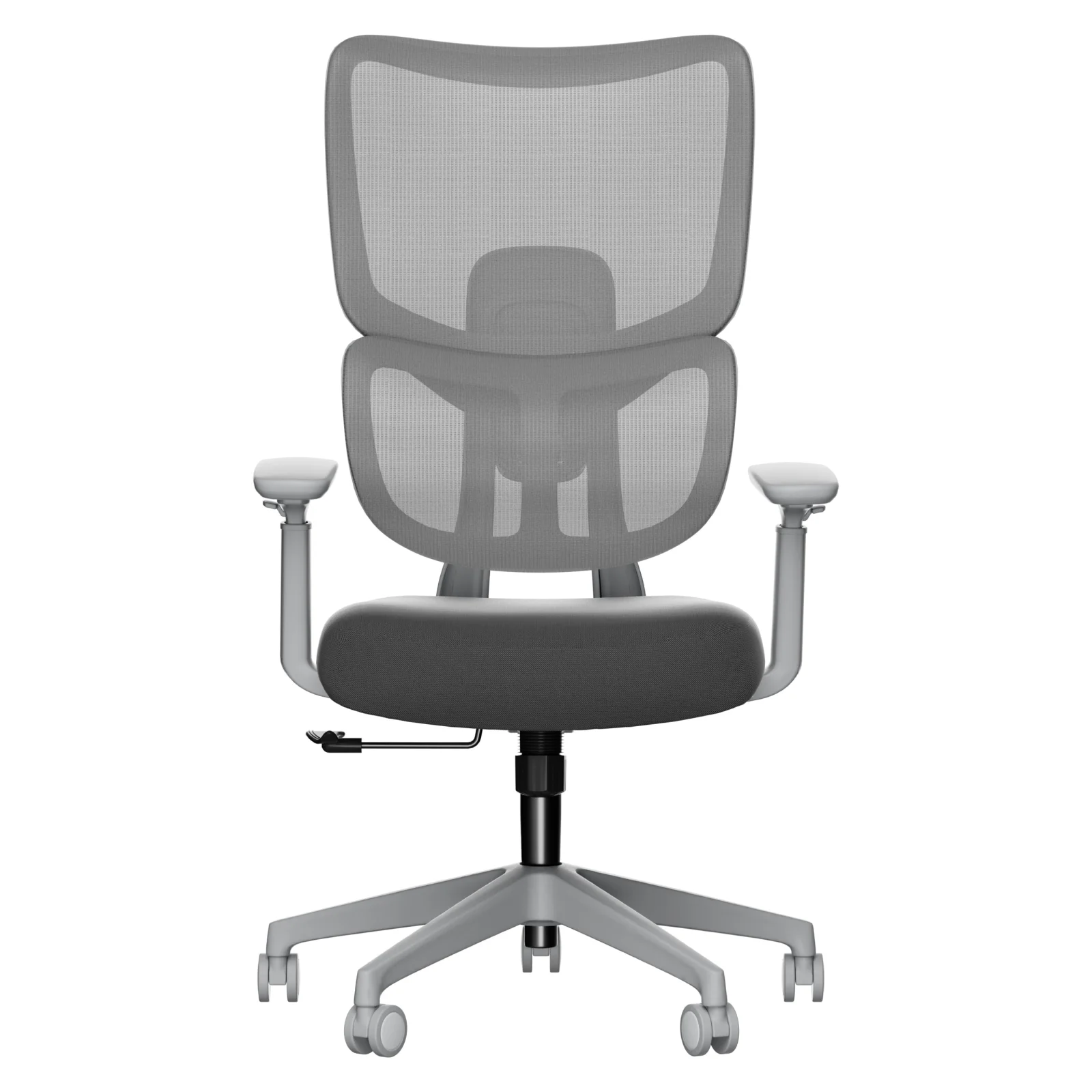
 Photo: manufacturer
Higher published seat range
Sunaofe Atlas
$499.99 snapshot
Choose for a higher published seat-height range and numeric lumbar/backrest adjustment.
Chairs & comfort
Atlas and Trace are better compared by body fit and posture than by model rank. Put their published seat, support, and adjustment differences beside your desk habits and the position you hold most of the day.
Choose Trace for its 15.0–18.9-inch seat range and moving back; choose Atlas for higher seating and documented head support.
Shorter users needing a lower seat fit Trace; taller users may fit Atlas range better.
Complete usable seat dimensions are missing, so height ranges cannot settle thigh or arm fit.
Our take is based on published specifications and linked sources. We have not hands-on tested these products. Some links may earn a commission.
Affiliate status: eligible buttons use approved tracking only when active; otherwise they open manufacturer pages directly. This is a source-backed comparison, not a hands-on test.
Photo: manufacturerHigher published seat range
$499.99 snapshot
Choose for a higher published seat-height range and numeric lumbar/backrest adjustment.
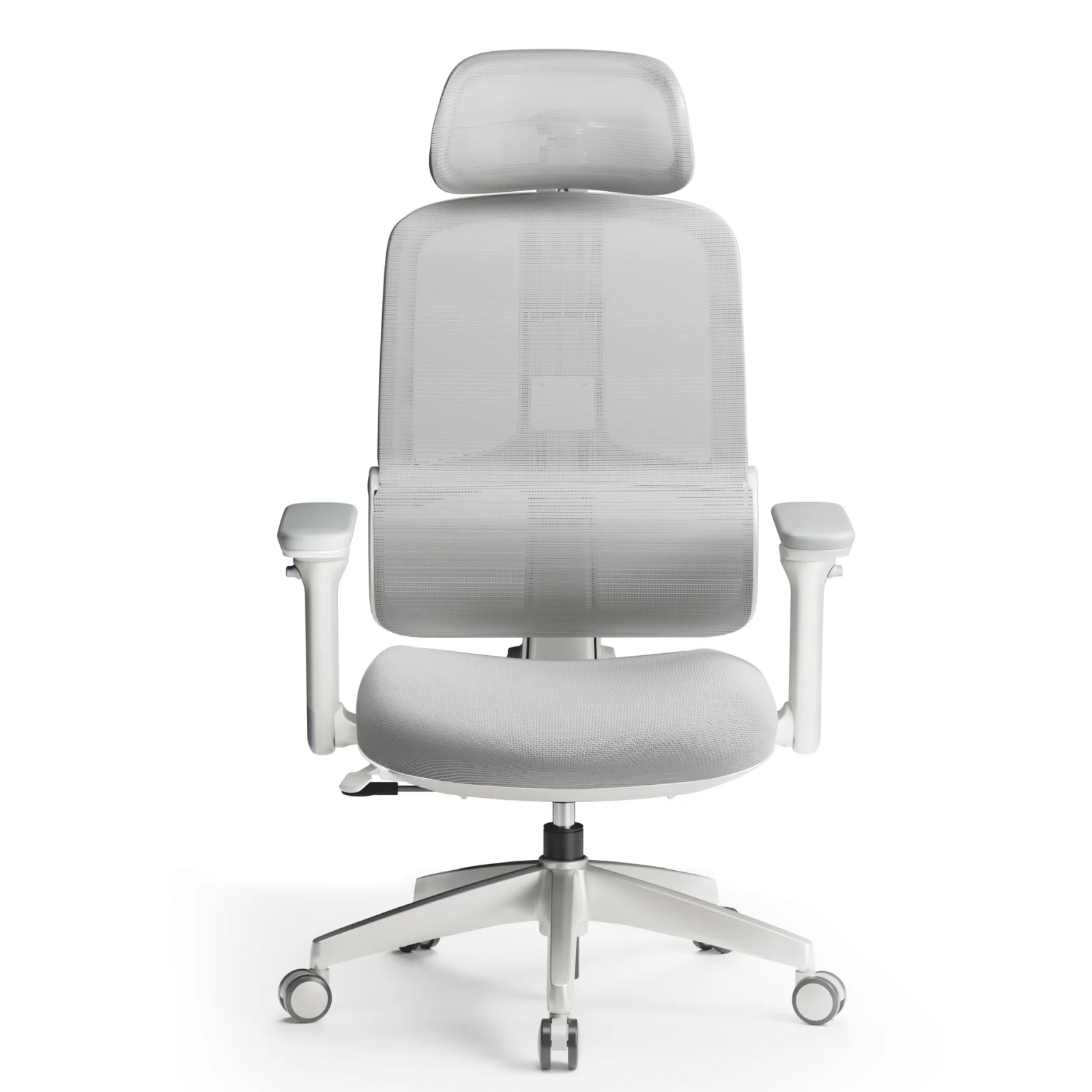 Photo: manufacturer
Lower published seat range
$489.99 snapshot
Choose for the lower published seat range, fold-away 4D arms, and forward-moving backrest—after confirming availability.
Decision matrix
| Decision | Atlas | Trace | What it means |
|---|---|---|---|
| Price snapshot | $499.99 | $489.99 | Only a $10 snapshot gap; recheck live price. |
| Seat height | 17.7–21.3 in | 15.0–18.9 in | The clearest fit split: Trace starts lower; Atlas reaches higher. |
| Back/lumbar movement | 1.7-in dynamic lumbar; 2.8-in backrest-height adjustment | Backrest moves forward up to 6 in; three-position lumbar | Different mechanisms, not better-versus-worse comfort proof. |
| Armrests | 2D adjustable | Fold-away 4D | Trace publishes more directions and a fold-away path; verify actual desk clearance. |
| Headrest | 2.4-in travel with published angle figures | 4D headrest plus coat hanger | Atlas publishes numeric travel; Trace emphasizes movement axes. |
| Footprint | Complete usable seat dimensions not decision-ready | 27.1 in W × 26.5 in D overall | Measure chair route and desk opening; overall size is not usable seat size. |
| Capacity | 300 lb manufacturer-listed | 300 lb manufacturer-listed | A tie on the published maximum, not an independent load test. |
| Availability | Check current product page | Page observed with pre-sale/in-production wording | Trace availability is a decision risk; verify before ordering. |
Fast choice
Your measured seat target is above Trace’s 18.9-in ceiling, and numeric backrest-height and lumbar travel matter more than folding arms.
You need a seat near 15 in, value fold-away 4D arms, and want the forward auto-follow concept enough to verify stock and return risk.
Ownership risk
Sunaofe’s current policy describes a 60-day request window for eligible recent orders, while requiring like-new condition, full disassembly, all parts, and original packaging. It says inadequate packaging may lead to rejection or a 20–30% charge. Both chairs are currently presented with a five-year chair warranty; verify the exact terms before checkout.
Official evidence: return policy · warranty policy. Policies and prices can change.
Trace has the lower manufacturer-listed seat-height range at 15.0–18.9 inches versus Atlas at 17.7–21.3 inches, so it is the more plausible starting point when low seat height is the limiting measurement. User height alone does not prove seat-depth, foot, lumbar, or armrest fit.
Atlas reaches the higher published seat height at 21.3 inches, while Trace tops out at 18.9 inches. Compare your measured seated elbow height with the keyboard surface; do not raise a chair without also checking foot support.
Atlas publishes a conventional height-adjustable backrest and dynamic-lumbar travel, while Trace emphasizes an auto-follow backrest that can move forward up to six inches, three-position lumbar support, and fold-away 4D arms. Those mechanisms require personal fit verification.
No. This comparison is based on current manufacturer listings and policies. WorkChoose did not assemble, sit-test, measure, noise-test, or durability-test Atlas or Trace.
Keep exploring
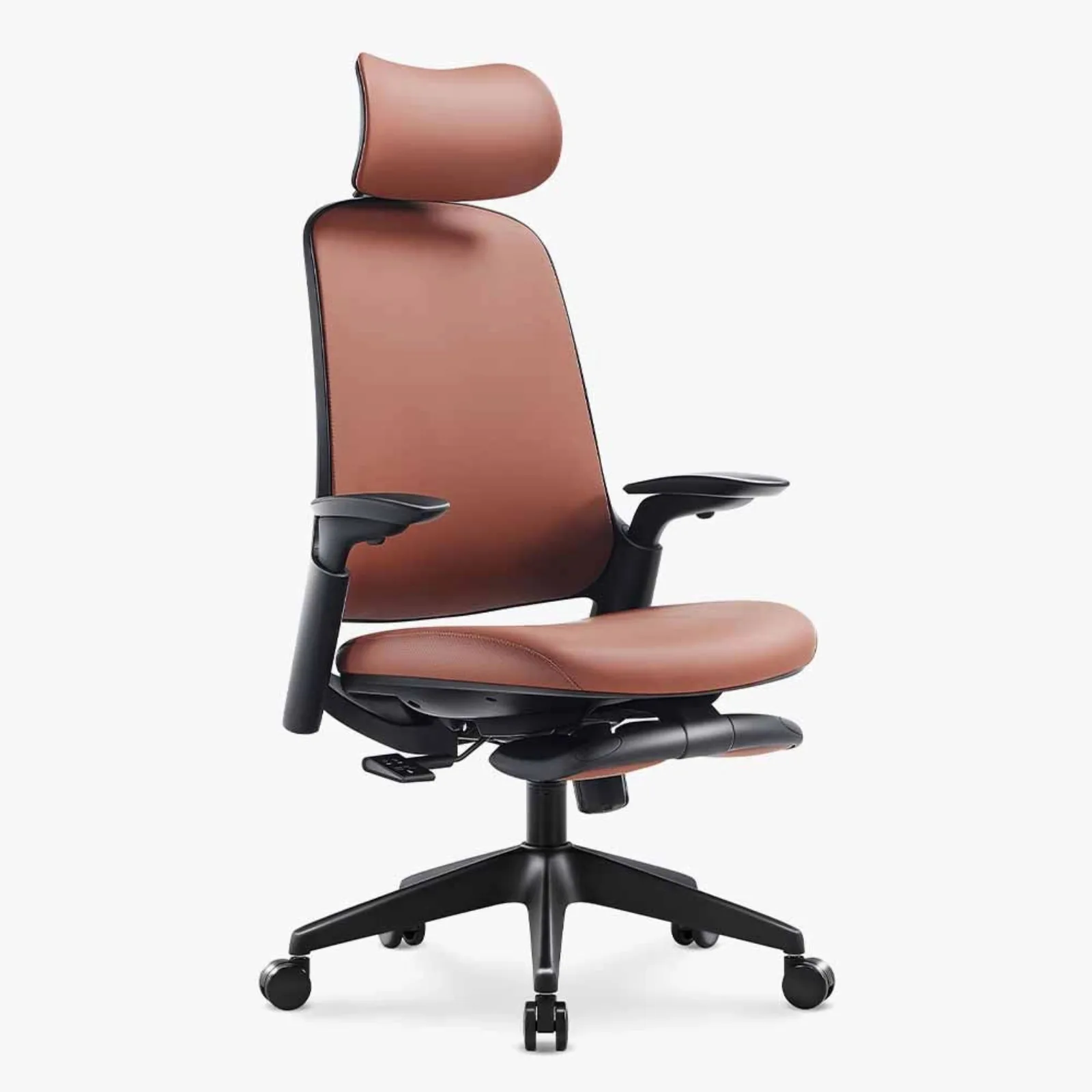
Chairs / The guide
Choose by seat height, depth, arm support, and return path before chasing lumbar or recline features.
Read the guideChairs / The guide
Choose the chair whose dimensions fit your body and desk before chasing extra adjustments.
Read the guide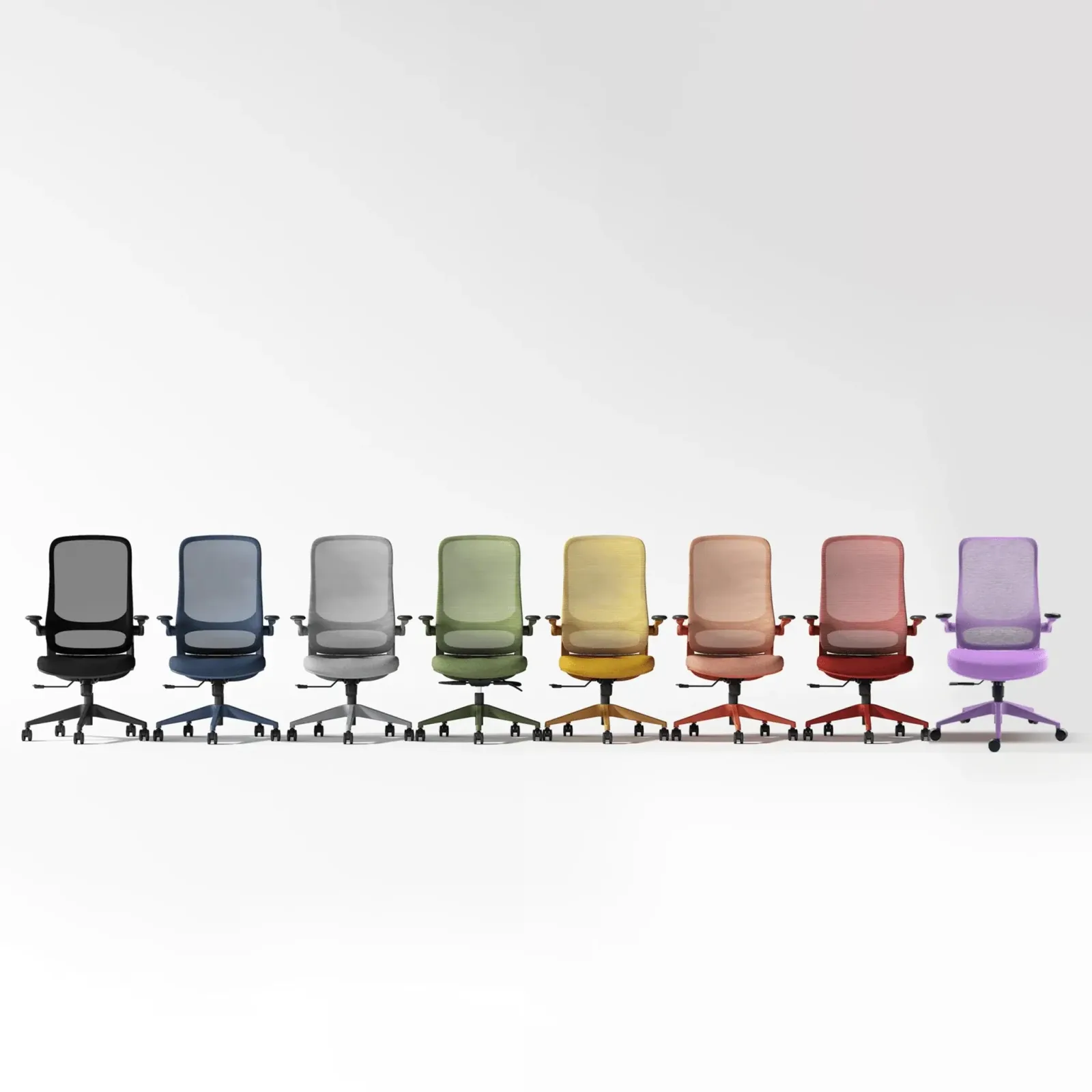
Chairs / The guide
Prioritize seat fit and return flexibility; mesh breathability is only one part of comfort.
Read the guide