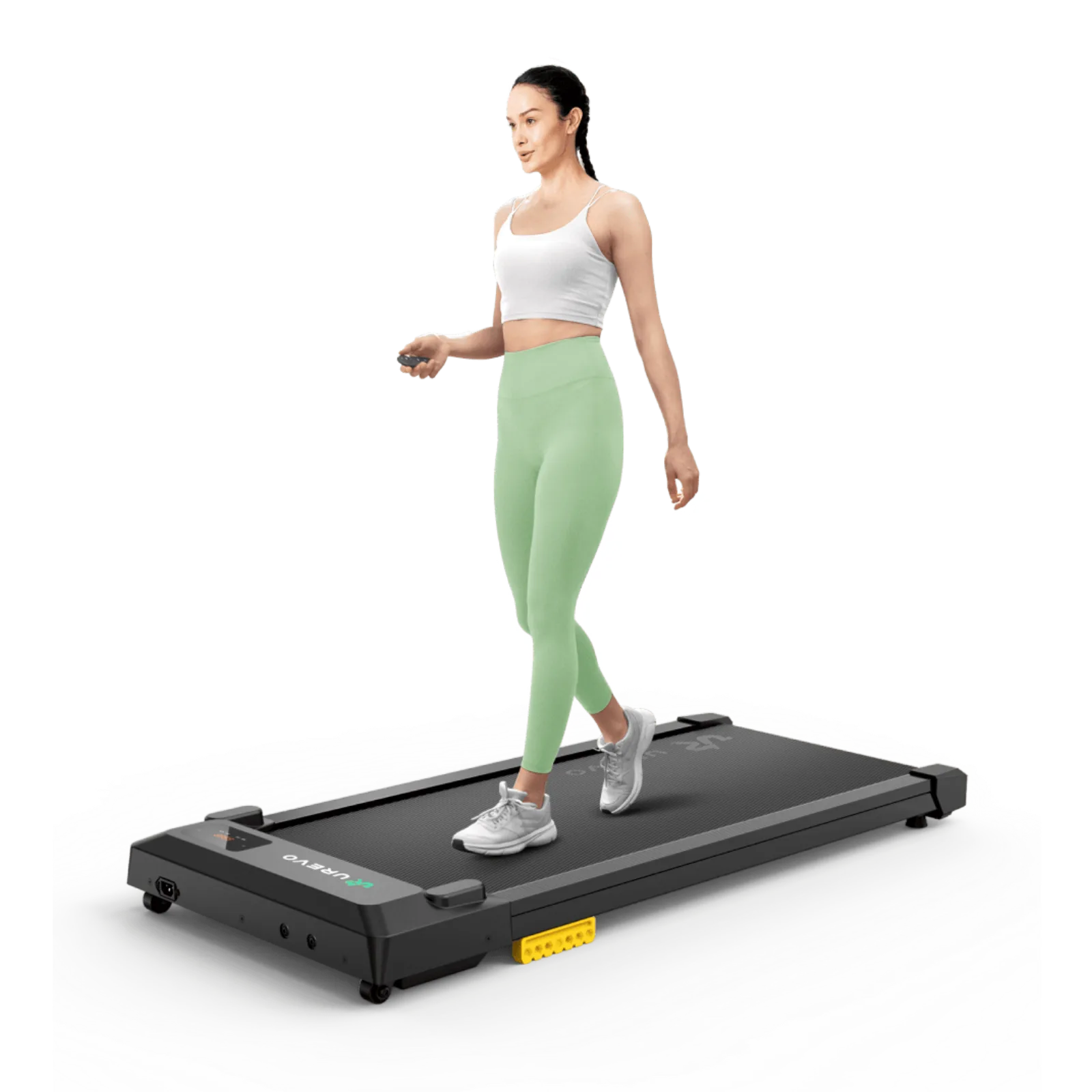
Walking while working
Best walking pads for running: belt length changes everything
Running asks much more of a compact treadmill than desk walking does. Check belt length, speed, handrail or frame support, and room around the machine before treating a walking pad as training equipment for regular training.
X21 is listed at 81 lb; X218 adds a 20-inch belt and 11.5 mph; X25 offers 300 lb and 10 mph.
Choose X21 for lighter storage; X218 for largest belt and speed; X25 for a 300-lb ceiling.
These pages describe running treadmills; X21 lacks walking mode, and none proves desk clearance or stride comfort.
Our take is based on published specifications and linked sources. We have not hands-on tested these products. Some links may earn a commission.
Buying links, offers & research notes Expand
A closer look
Pick the running constraint before the model
X21 is the lighter ceiling-limited option, X25 adds running area and a 10-mph ceiling, and X218 maximizes the published running envelope. Open the exact US page after checking your room and stride.
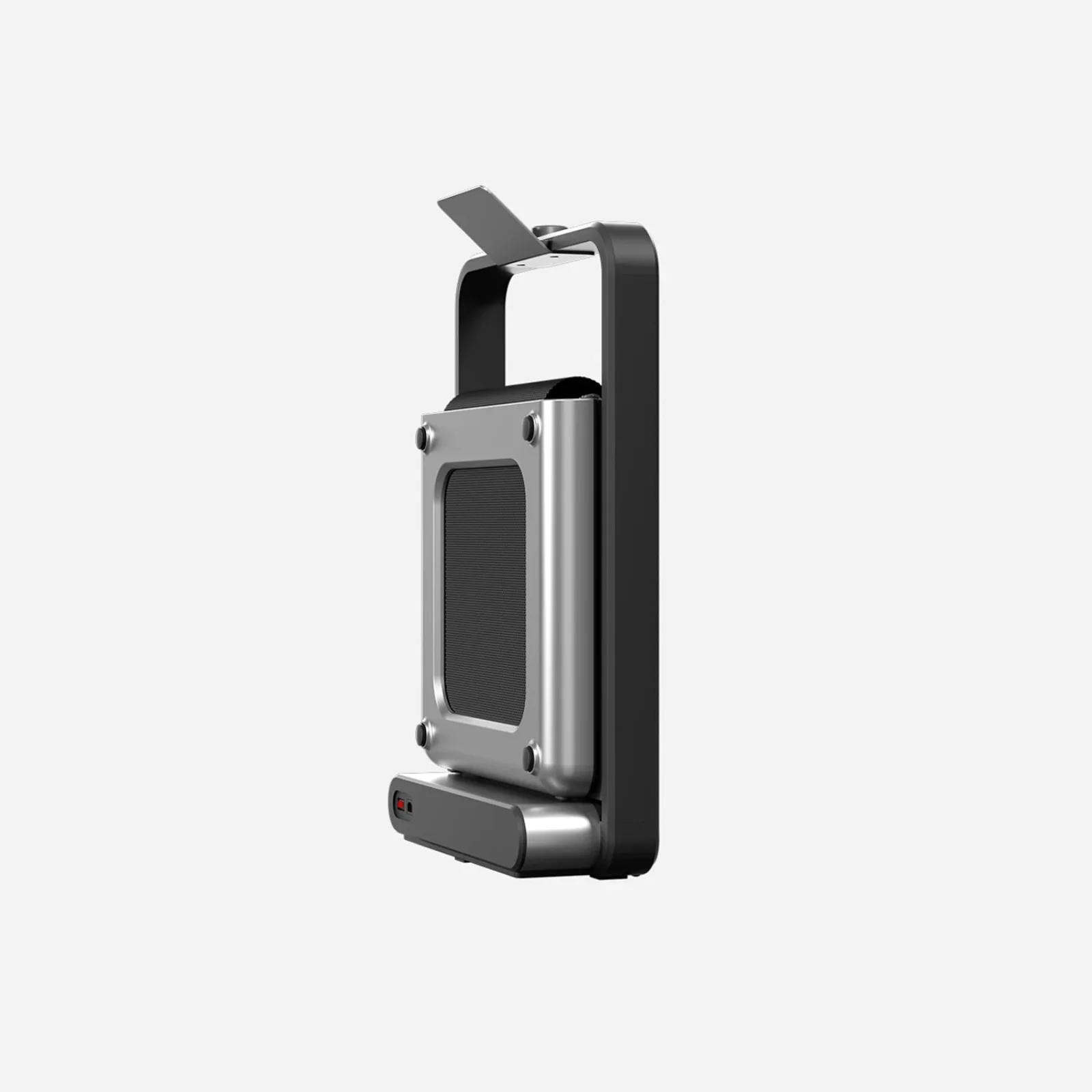 Photo: manufacturer
WalkingPad X21
WalkingPad
Published running area
47.6 × 18.1 in
Official specs checked September 8, 2026
See current price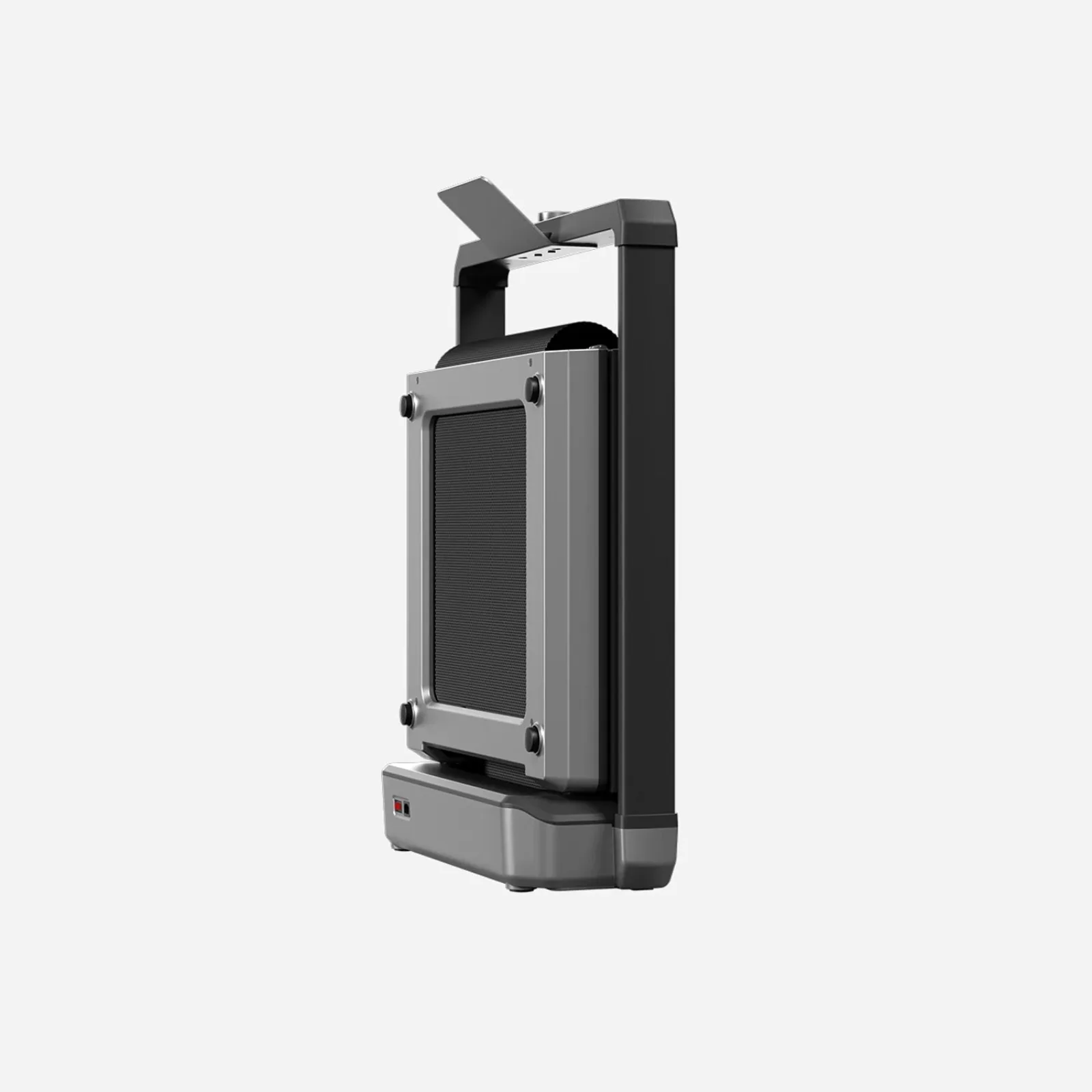 Photo: manufacturer
WalkingPad X25
WalkingPad
Published running area
51.9 × 19.6 in
Official specs checked September 8, 2026
See current price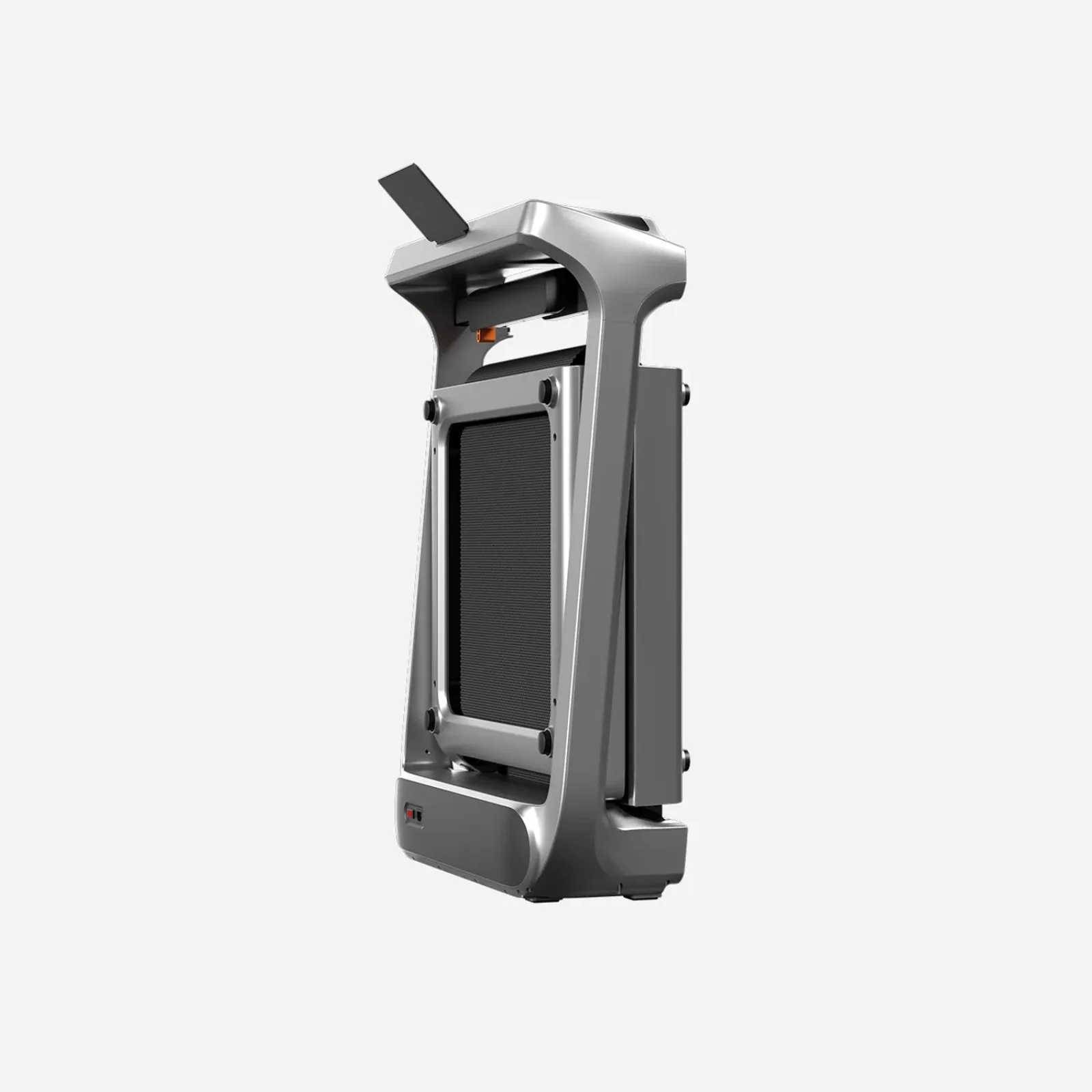 Photo: manufacturer
WalkingPad X218
WalkingPad
Published running area
55.1 × 20 in
Official specs checked September 8, 2026
See current priceWalking-only
Low-speed walking is the documented use case. Do not infer a running rating from a belt, motor, or foldable frame.
Hybrid
Look for explicit two-mode or under-desk-to-running evidence, plus controls and rail positions that support both tasks.
Running-capable
This page compares three running-oriented listings. Their published speed ceilings do not prove desk fit, stability, or comfort.
Running belt fit and desk fit are separate calculations
A long belt cannot fix a desk that is too low, a rail that blocks the keyboard, or a room without a clear step-off and storage route.
Official published specs
Compare the numbers, then read the limits around them.
The rows below are attributed to WalkingPad's current US product pages and official FAQ materials checked on September 8, 2026. They are published specifications, not measurements made by WorkChoose. Price and stock are intentionally omitted because they change.
| Decision factor | WalkingPad X21 | WalkingPad X25 | WalkingPad X218 | What it means |
|---|---|---|---|---|
| Mode classification | Running-capable listing; no walking mode in current FAQ | Running treadmill listing; desk mode not established | Running treadmill listing; desk mode not established | A low minimum speed does not turn a running treadmill into a hands-free under-desk walking pad. Match the machine to the task you will actually perform. |
| Published speed range | 1–7.5 mph | 1–10 mph | 1–11.5 mph | The ceiling is a published product limit, not a recommended training pace or proof of running comfort. |
| Published running area | 47.6 × 18.1 in | 51.9 × 19.6 in | 55.1 × 20 in | X218 offers the largest listed area. Use natural stride, footwear, speed, and edge margin as separate fit checks. |
| Published maximum capacity | 240 lb / 110 kg | 300 lb / 136 kg | 300 lb / 136 kg | A maximum is a ceiling, not a suggested long-term operating target. Verify the exact US variant and manual when close to the limit. |
| Net machine weight | 81 lb | 104 lb | 129 lb | The larger belt comes with a heavier route and storage burden. Include stairs, turns, thresholds, and whether one person can safely move it. |
| Handrail evidence | No adjustment listed; moving/storage handrail in FAQ | No adjustment listed; X25+ is separate | Side rails; quick-release/folding hardware described | Measure raised, folded, and desk-facing positions. Rail descriptions do not prove keyboard, camera, monitor-arm, or chair clearance. |
| Stability evidence | No matched WorkChoose test | No matched WorkChoose test | No matched WorkChoose test | Published dimensions and rail hardware are not a cross-model stability test. Do not convert them into a comfort, wobble, or safety guarantee. |
| Folded outside size | 39.6 × 27.9 × 8.8 in | 10.1 × 30.4 × 40.3 in | 42.5 × 33 × 11.6 in | WalkingPad pages use different dimension orders and orientations. Compare the actual storage posture and route, not only the first number. |
| Incline boundary | No current US range established | No current US range established | No current US range established | If incline is non-negotiable, use the exact model manual and a separate incline page. Do not infer incline from motor, speed, or fold claims. |
| Desk-work control boundary | App + SpeedDial; no remote listed | App + SpeedDial; no remote listed | App + SpeedDial; no remote listed | Neither the reviewed current US materials establishes hands-free speed changes while typing, calling, or standing at a desk. |
| Return/logistics check | Verify live US terms before ordering | Verify live US terms before ordering | Verify live US terms before ordering | Confirm window, return freight/pickup, restocking, damage procedure, warranty, selected variant, and delivery route on the live order page. |
DeerRun Foldable Treadmill with Handlebar
Consider this when a 0.6–7.5 mph published range, 300 lb capacity, handlebar, and 6% manual incline match the constraint better than a WalkingPad-only shortlist. These are current listing claims, not WorkChoose measurements; verify the selected variant, running-area dimensions, return terms, and delivered price on Amazon before ordering.
Photo: manufacturerManufacturer-hosted image for model identification; not a WorkChoose photograph.
WalkingPad X21
Lighter double-fold running-capable treadmill
Published Speed
1–7.5 mph
Published Running area
47.6 × 18.1 in
Published Capacity
240 lb / 110 kg
X21 is the lightest of these three exact models on the current published net-weight figures. Its double-fold body and 47.6 × 18.1-inch running area can make sense when the room and delivery route are tighter, provided the 7.5-mph ceiling and no-walking-mode boundary are acceptable.
Skip X21 when you need a 10- or 11.5-mph ceiling, a 300-lb published capacity, or a larger running area. Also skip it if your room requires an adjustable rail or hands-free desk control that the reviewed US materials do not establish.
- Published speed
- 1–7.5 mph
- Published running area
- 47.6 × 18.1 in
- Published capacity
- 240 lb / 110 kg
- Net / gross weight
- 81 lb net / 92 lb gross
- Controls
- KS Fit app + SpeedDial™; no remote listed
- Handrail evidence
- No handrail adjustment listed; the current FAQ describes a handrail for moving and storage.
- Unfolded outside size
- 55.8 × 27.9 × 41.4 in unfolded
- Folded outside size
- 39.6 × 27.9 × 8.8 in
- Incline evidence
- No incline range is established in the reviewed current US product table.
Mode boundary
Running treadmill listing. The current FAQ says X21 has no walking mode and does not adjust speed with your feet, so a low speed alone does not establish an under-desk workflow.
Room and stride fit
The 18.1-inch published running-area width is a screening input. Tape the full body, the running area, and the side/rear clearance in the intended room; then test your natural stride rather than shortening it to fit.
Return check
Before ordering, open the current US listing and confirm the return window, pickup or freight responsibility, restocking language, delivery damage process, warranty, and the selected X21 variant. WorkChoose does not freeze these terms because they can change.
Source read: WalkingPad's current US X21 product page lists 1–7.5 mph, a 47.6 × 18.1-inch running area, 240 lb / 110 kg capacity, 81 lb net weight, double-fold dimensions, App plus SpeedDial control, and no handrail adjustment in its technical table. The current FAQ is the source for the no-walking-mode boundary.
Photo: manufacturerManufacturer-hosted image for model identification; not a WorkChoose photograph.
WalkingPad X25
Wider, faster double-fold running treadmill
Published Speed
1–10 mph
Published Running area
51.9 × 19.6 in
Published Capacity
300 lb / 136 kg
X25 is the middle choice on physical scale but raises the published ceiling to 10 mph and the listed capacity to 300 lb. Its 51.9 × 19.6-inch running area is larger than X21's, which can matter when a natural stride or training pace is the reason you are shopping.
Skip X25 when the extra deck, weight, or room footprint is unnecessary, or when you need a dedicated walking-pad control workflow. Do not silently substitute X25+; its side rails, weight, and dimensions are a different product configuration.
- Published speed
- 1–10 mph
- Published running area
- 51.9 × 19.6 in
- Published capacity
- 300 lb / 136 kg
- Net / gross weight
- 104 lb net / 119 lb gross
- Controls
- KS Fit app + SpeedDial™; no remote listed
- Handrail evidence
- No handrail adjustment listed for X25; X25+ is a separate option with foldable side handrails.
- Unfolded outside size
- 60.8 × 30.4 × 40.3 in unfolded
- Folded outside size
- 10.1 × 30.4 × 40.3 in
- Incline evidence
- No incline range is established in the reviewed current US product table.
Mode boundary
Running treadmill listing. The reviewed US page does not establish a dedicated under-desk walking mode, feet-free speed adjustment, or a desk-ready handrail transition.
Room and stride fit
The 51.9 × 19.6-inch published running area adds room over X21, but the 30.4-inch body width and 104-lb net weight also increase the room, route, and storage burden. Measure all three before buying.
Return check
Confirm the live US X25 listing's return window, shipping or pickup obligations, damage-on-arrival procedure, warranty, selected option, and whether any accessories are included before paying. The official product page and current order terms are the authority.
Source read: WalkingPad's current US X25 product page lists 1–10 mph, a 51.9 × 19.6-inch running area, 300 lb / 136 kg capacity, 104 lb net weight, double-fold dimensions, App plus SpeedDial control, and no handrail adjustment in the technical table.
Photo: manufacturerManufacturer-hosted image for model identification; not a WorkChoose photograph.
WalkingPad X218
Largest and fastest running-capable option in this shortlist
Published Speed
1–11.5 mph
Published Running area
55.1 × 20 in
Published Capacity
300 lb / 136 kg
X218 is the performance-first pick on the published numbers: the longest and widest running area here, the highest listed speed ceiling, and a 300-lb capacity. That extra envelope is useful only if your room, running plan, rail path, and storage route can absorb the larger machine.
Skip X218 when you move equipment alone, have tight doorways or storage, do not need 11.5 mph, or are shopping specifically for under-desk walking. The heavier body and side rails can be a bigger constraint than the running area is a benefit.
- Published speed
- 1–11.5 mph
- Published running area
- 55.1 × 20 in
- Published capacity
- 300 lb / 136 kg
- Net / gross weight
- 129 lb net
- Controls
- WalkingPad app + SpeedDial™; no remote listed
- Handrail evidence
- Side handrails with quick-release/folding hardware described on the official product page.
- Unfolded outside size
- 63.7 × 33 × 42.5 in unfolded (page-listed order)
- Folded outside size
- 42.5 × 33 × 11.6 in (page-listed order)
- Incline evidence
- No incline range is established in the reviewed current US product listing.
Mode boundary
Running treadmill listing. The reviewed page does not establish a dedicated under-desk mode, hands-free speed control, or a rail position that clears every desk and monitor setup.
Room and stride fit
X218 has the largest listed running area, but its 33-inch body width, 129-lb net weight, and folded route can dominate a small room. Map doors, turns, thresholds, storage posture, and rear/side clearance before treating the long belt as a fit win.
Return check
Open the current US X218 listing before ordering and confirm return freight or pickup conditions, delivery inspection steps, warranty, selected option, and the exact folded orientation. A 129-lb return is a materially different logistics problem from a small walking pad.
Source read: WalkingPad's current US X218 product page lists 1–11.5 mph, a 55.1 × 20-inch running area, 300 lb / 136 kg capacity, 129 lb net weight, side handrails, SpeedDial/app control, and the folded and unfolded dimensions shown here.
Fit and logistics boundary
Run this six-minute room check before opening checkout.
A running-capable pad is a machine plus a route plus a usable running envelope. The product page can publish dimensions; only your room, stride, desk, and return plan can decide fit.
1. Tape the envelope
Mark the full unfolded body, published running area, side clearance, rear margin, and clear step-off space on the floor.
2. Walk your natural stride
Use the pace you actually plan to use. Watch front, rear, and side approaches; do not solve a mismatch by forcing a shorter step.
3. Map rails and desk geometry
If a desk is involved, measure floor-to-belt height, keyboard and monitor height, rail position, cable slack, and the desk's usable maximum.
4. Map the storage route
Check delivery door, turns, thresholds, stairs, lifting capacity, folded posture, and the final wall, closet, or under-furniture clearance.
5. Read return terms at checkout
Confirm window, freight or pickup cost, restocking, damage reporting, warranty, and exact model/variant before placing a large-machine order.
Walking pad vs treadmill
Choose around desk work, dedicated running, controls, storage, and exact safety hardware.
Tall-user belt fit
Use height as a clue, then check natural stride, belt width, rear margin, and desk height.
Higher-load fit
Compare published capacity, belt size, room geometry, and support evidence together.
Belt-size worksheet
Map your stride to belt length and width without inventing a universal height cutoff.
Incline boundary
Separate flat desk fit from a raised deck and off-desk incline sessions.
Read the boundary before the CTA
Speed is the easy row. Fit is the purchase decision.
Choose X21 if a 7.5-mph ceiling is enough, 81 lb net weight helps your route, and the 47.6 × 18.1-inch area passes your natural-stride check. Choose X25 if the 10-mph ceiling, 300-lb published capacity, or 51.9 × 19.6-inch area is the constraint.
Choose X218 if the 11.5-mph ceiling and 55.1 × 20-inch running area justify the 129-lb net machine and larger room route. The larger belt is useful only when your room, storage, rails, and return plan also pass.
Do not choose any of the three for desk work by speed alone. The reviewed materials do not establish a hands-free under-desk workflow, and X21's FAQ explicitly says it has no walking mode. Use the desk-fit and setup guides to verify the complete geometry.
Best walking pads for running FAQ
Questions that change the choice
Are walking pads good for running?
Only some are running-capable. A walking pad's name or folding frame does not prove that it is designed for your running pace, stride, body weight, handrail needs, room, or training plan. The WalkingPad X21, X25, and X218 pages reviewed here publish running-oriented speed ranges, but WorkChoose has not personally tested them and does not make a comfort, stability, safety, or health claim.
Which WalkingPad is best for running: X21, X25, or X218?
On published specifications, X21 is the lighter option at 81 lb net with a 1–7.5 mph range and 47.6 × 18.1-inch running area. X25 raises the ceiling to 10 mph and lists a 51.9 × 19.6-inch area and 300-lb capacity. X218 is the largest and fastest here at 1–11.5 mph and 55.1 × 20 inches, but it lists 129 lb net. Choose around the pace, belt room, capacity, and storage route you actually need—not the model number alone.
What is the difference between a walking-only, hybrid, and running-capable pad?
Walking-only products are marketed around low-speed walking and usually do not establish a running use case. Hybrid products explicitly document two modes or an under-desk-to-running transition. Running-capable products publish a higher speed ceiling and a larger running area, but that still does not establish desk compatibility. In this guide, X21, X25, and X218 are treated as running-capable listings; their reviewed materials do not establish a hands-free under-desk mode.
Is a longer walking-pad belt always better for running?
No. A longer published running area gives you more room on paper, but stride length, width, speed, footwear, balance, starting position, and room clearance all change the practical fit. Tape the published length and width on the floor, observe your natural stride at the intended pace, and leave usable side and rear margin. Do not force a shortened stride to make a model fit.
Can I use the X21, X25, or X218 under a standing desk?
Do not assume so from a low speed or a folding frame. The current X21 FAQ says it has no walking mode, and the reviewed X21, X25, and X218 materials do not establish a hands-free desk workflow or a rail position that clears every setup. Measure floor-to-belt height, keyboard height, monitor clearance, rail position, cable slack, and the desk's usable maximum first. Use the desk-height calculator as a worksheet, not a safety certification.
Do these WalkingPads have incline?
The reviewed current US product materials for X21, X25, and X218 do not establish a usable incline range for this comparison. If incline is your hard requirement, select a model with an exact current manual and product page that publish it, then measure the raised deck and desk clearance. Do not borrow incline specifications from H1 Plus or another model.
How should I check room fit before buying a running-capable walking pad?
Measure the narrowest room width, doorway and turning route, full unfolded body footprint, running-area boundary, step-off space, side clearance, and the intended storage posture. Add the machine's listed weight to the moving plan. Then tape the running area and walk naturally at the pace you intend to use. A product page's folded dimensions do not prove it will pass your doorway, fit under a bed, or stand safely in a closet.
What should I check in the return policy?
Open the live US order page and confirm the return window, whether return freight or pickup is charged, restocking or opened-box terms, delivery-damage reporting deadline, warranty, and the exact variant. For a 104- or 129-lb machine, return logistics can materially change the purchase decision. WorkChoose has not independently verified a frozen set of current terms, so recheck them immediately before ordering.
Are these WalkingPad links affiliate links?
The WalkingPad X21, X25, and X218 buttons are direct manufacturer links because WalkingPad approval is still pending. The separate DeerRun Amazon option is an affiliate link supplied by PartnerBoost; WorkChoose may earn a commission if you buy through it, at no added cost to you. Prices, inventory, specifications, variants, and policies can change.
Final check
Pick the running envelope. Then verify the live US order terms.
X21 is lighter and lower-ceiling. X25 balances running area, speed, and capacity. X218 maximizes published running room and speed, but brings the largest machine route. Their buttons are direct manufacturer links while WalkingPad approval is pending; the DeerRun Amazon alternative above is the disclosed affiliate option.